A verse is formally a single metrical line in a poetic composition. However, verse has come to represent any grouping of lines in a poetic composition, with groupings traditionally having been referred to as stanzas.
Verse in the uncountable (mass noun) sense refers to poetry in contrast to prose. Where the common unit of verse is based on meter or rhyme, the common unit of prose is purely grammatical, such as a sentence or paragraph.
Verse in the second sense is also used pejoratively in contrast to poetry to suggest work that is too pedestrian or too incompetent to be classed as poetry.
Types of verse
Rhymed verse
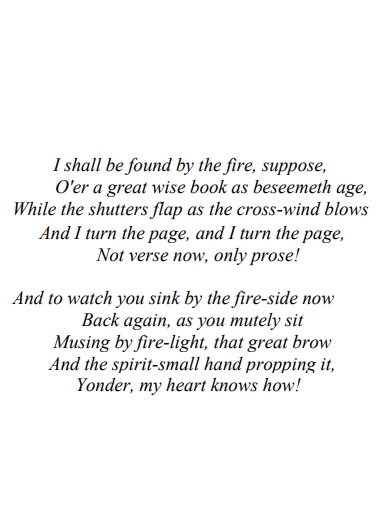
Rhymed verse is historically the most commonly used form of verse in English. It generally has a discernible meter and an end rhyme.
Blank verse
Blank verse is poetry written in regular, metrical, but unrhymed, lines, almost always composed of iambic pentameters.
Free verse
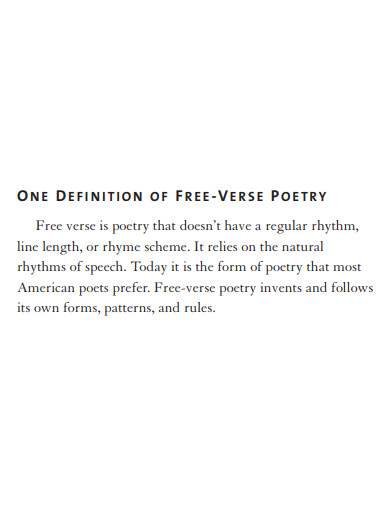
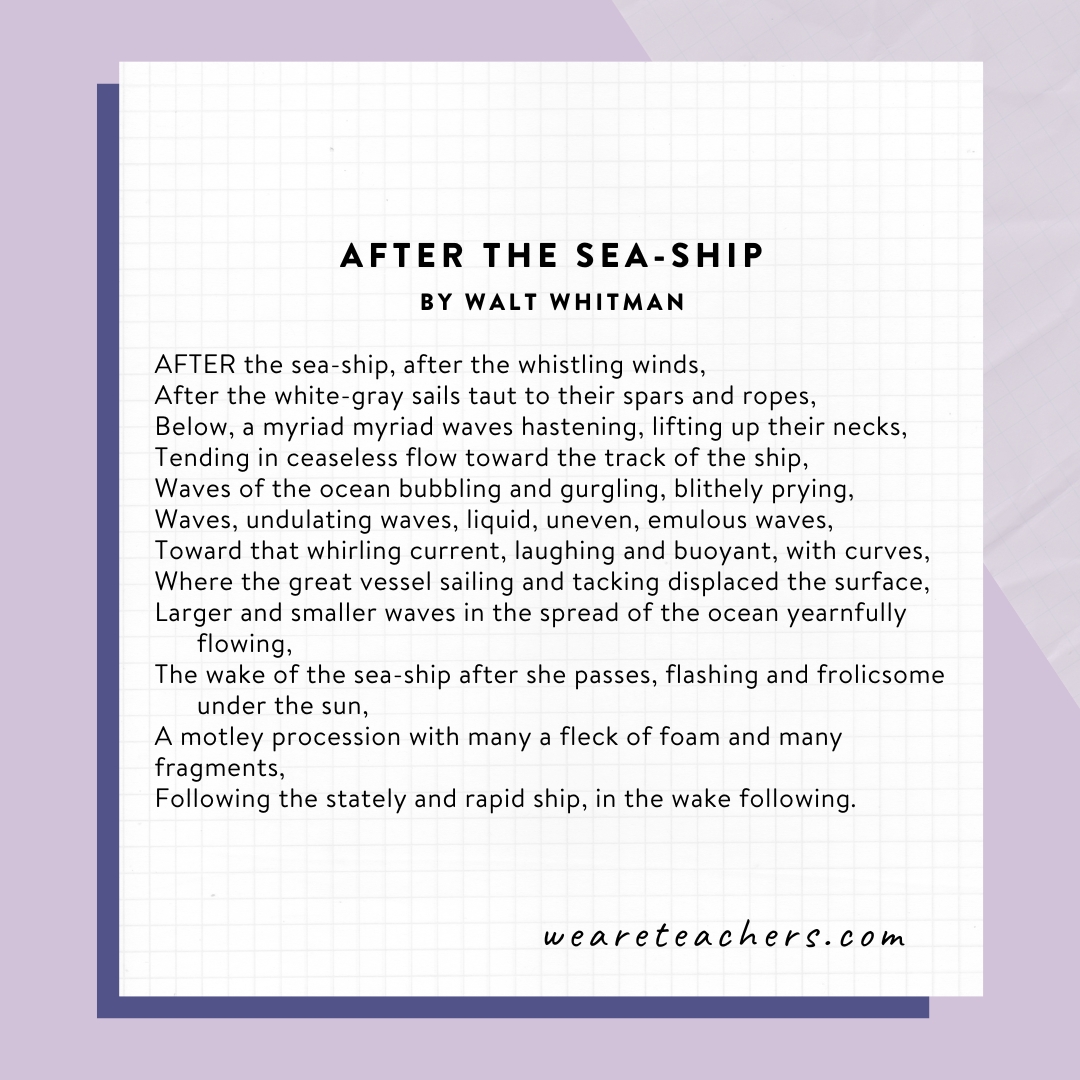
Free verse is usually defined as having no fixed meter and no end rhyme. Although free verse may include end rhyme, it commonly does not.
See also
- Strophe
References
Further reading
- Gosse, Edmund William (1911). "Verse" . Encyclopædia Britannica. Vol. 27 (11th ed.). pp. 1041–1047.